I’m sure plenty of folks know this, but like literally anything else in the world, plenty of folks don’t. This is an incredibly handy feature of developing responsive sites and testing them on as real of devices as you can. Plus, it doesn’t cost anything additional beyond your macOS computer.
Step 1) Download Xcode
The iOS Simulator is an app that comes bundled with Xcode. Xcode is free and you get it from the app store.
Step 2) Open Simulator
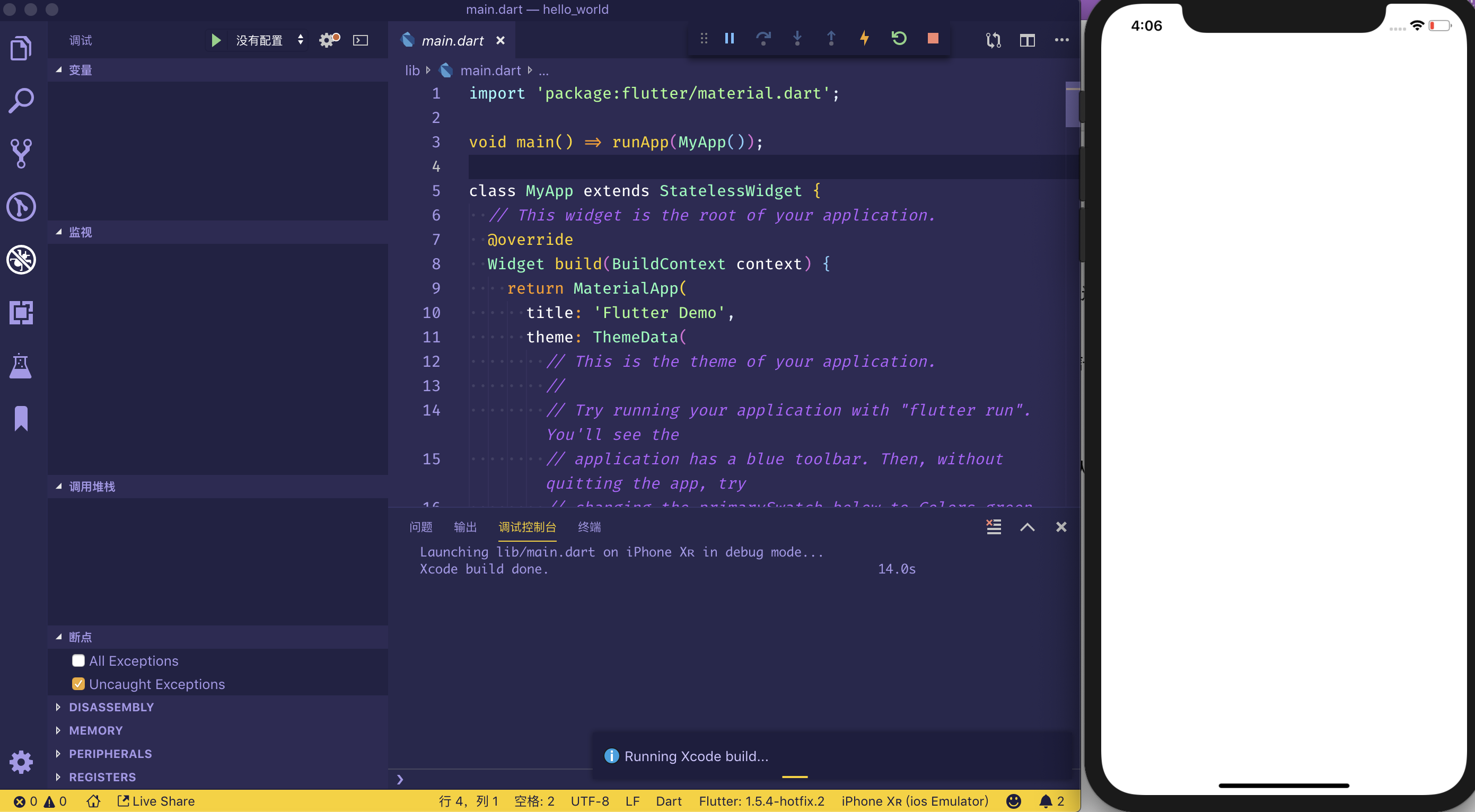
Open Xcode - Window - Devices and Simulators. Check if there is any Simulator in left list,if not add the + button. Select Device Type and OS Version and click Create. Restart Visual Studio you will see the simulator in configuration. (I test with VS for mac 8.9.1 and Xcode 12.4. Download Ios Simulator For Mac. Iphone Simulator For Mac Os 10.13. Download Absolute RC Simulator for macOS 10.9.0 or later and enjoy it on your Mac. This high quality RC flight simulator is serious tool that will help you learn to fly RC models. The program is based on our award winning ClearView RC Flight Simulator for PC, with number of refinements and improvement.

It’s in the main Xcode menu at Open Developer Tool > Simulator.
It will be a new icon in your dock. I like to move it so that it stays an icon in my dock, and I don’t need to open Xcode again to find it and use it.
(^ It’s on the far right here.)
The window for the simulator is like a fake Apple device. You can simulate just about anything (Watch, AppleTV, iPad, etc) by going to Hardware > Device.
Step 3) Open Safari and go to a website
Easy enough to type something in. It understands keyboard input so you don’t have to like use the mouse to click fake on-screen keys.
Important trick! Often times you are pasting a URL into the address field. To do this, you’ll need to have the URL on your clipboard, activate the simulator, press ⌘-V to paste, then you can click to bring up the iOS paste menu and paste it. At least… that’s what you used to have to do. I just recently upgraded to Xcode 10 and it seems like you can simply ⌘-V right into the URL bar now, so perhaps the weird work-around is fixed.
Step 4) Open Desktop Safari & Web Inspector

You’ll need to go to Settings > Advanced and check the Show Debug Menu option. Then you’ll see the option to open the web inspector for the Simulator right from that menu.
With the Web Inspector open, you can debug inside the Simulator just like you could right in a desktop browser with DevTools.
Actual Devices
Simulators are pretty great because they are easy and just a few clicks away. But if for whatever reason you want to test on a real device, you also can do that. As long as:
- The device is connected to your computer (lightning to USB), and it’s “trusted”.
- You have an “inspectable” application open, like Safari.
It should show up in the same Debug menu in Safari and let you inspect the browser right on the real device. It’s a bit surreal to watch the blue-boxes of Web Inspector showing up on your real device!
Looking for some useful browser extensions as well? Click here.
The iPhone Simulator, now called iOS Simulator, is included with every copy of Xcode. It can be used to emulate any iPhone or iPad, useful for iOS development and mobile web development. It used to be included as a separate application in the Developer Tools folder. Recently, Apple changed the file hierarchy of Xcode and bundled everything into the Xcode.app package.
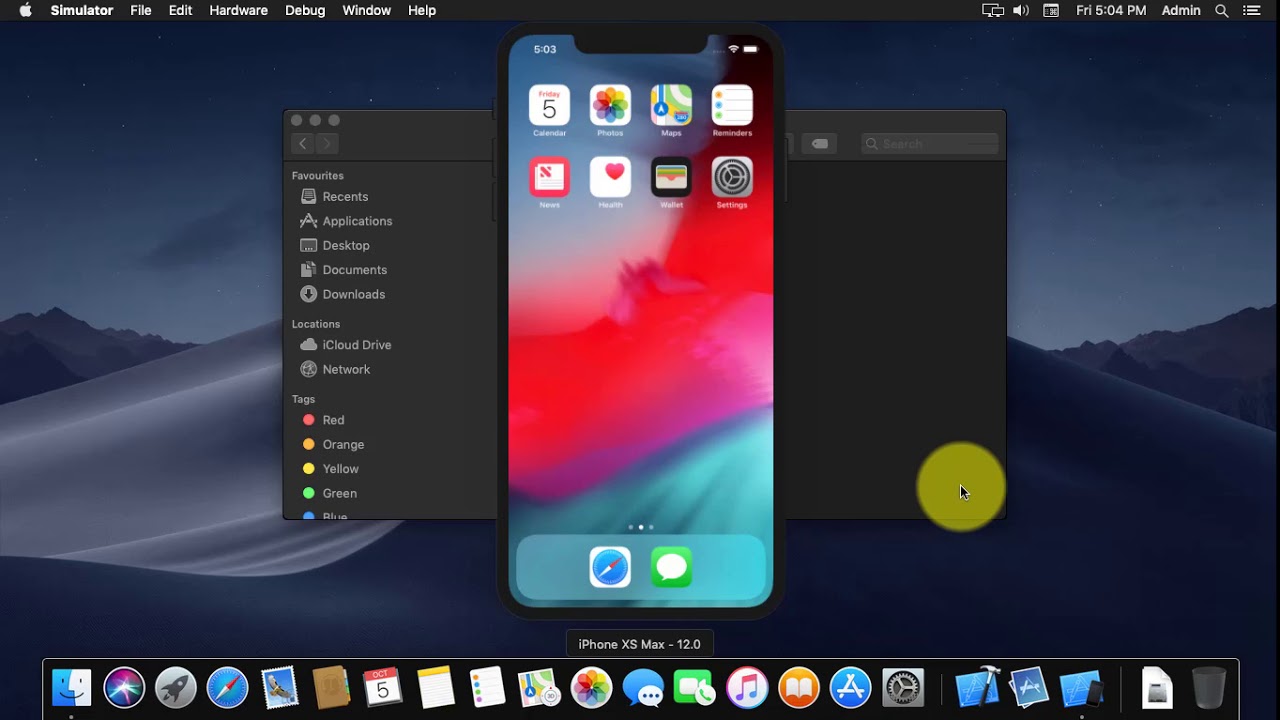
Mac Os Iphone Simulator Download
Xcode 4.3 and newer
The iOS Simulator is located at:
Use the keyboard shortcut Command + Shift + G to navigate to that location. From here, you can also create an alias (shortcut) or place the iOS Simulator on the Dock.
Xcode 4.2 and older
Ios Simulators
If you are using an older version of Xcode and iPhone SDK, iPhone Simulator.app is located here: